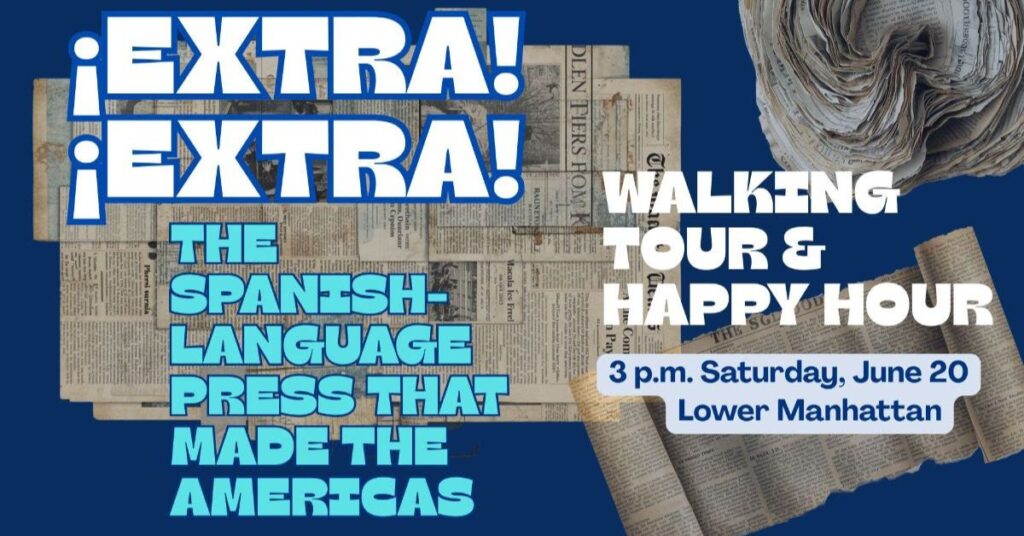
Deadline Club Hosts “¡Extra! ¡Extra!: The Spanish-Language Press That Made the Americas — Downtown Walking Tour”
On Saturday June 20, the Deadline Club hosted a walking tour of New York’s Spanish-language press history and its surprising parallels to media battles of today, led by historian Kelley Kreitz, author of Printing Nueva York (NYU Press). Also joining us to enact bilingual readings of historic news stories were Gabriela Pinasco Najera, New York correspondent for Mexico-based Quadratín Hispano media; and Juan Manuel Benítez, former NY1 reporter and professor at Columbia Journalism School.
When Hearst and Pulitzer ginned up “fake news” — what the New York Times called “freak journalism” — to sell papers covering Cuba’s fight for independence from Spain, an innovative Spanish-language press fought back. Cuban émigrés, Puerto Rican intellectuals, and political exiles used their newspapers to champion democracy and forge a pan-Latin American consciousness that emerged into today’s Latinx identity.
Couldn’t make the event? Relive that history right here with our photo journey!
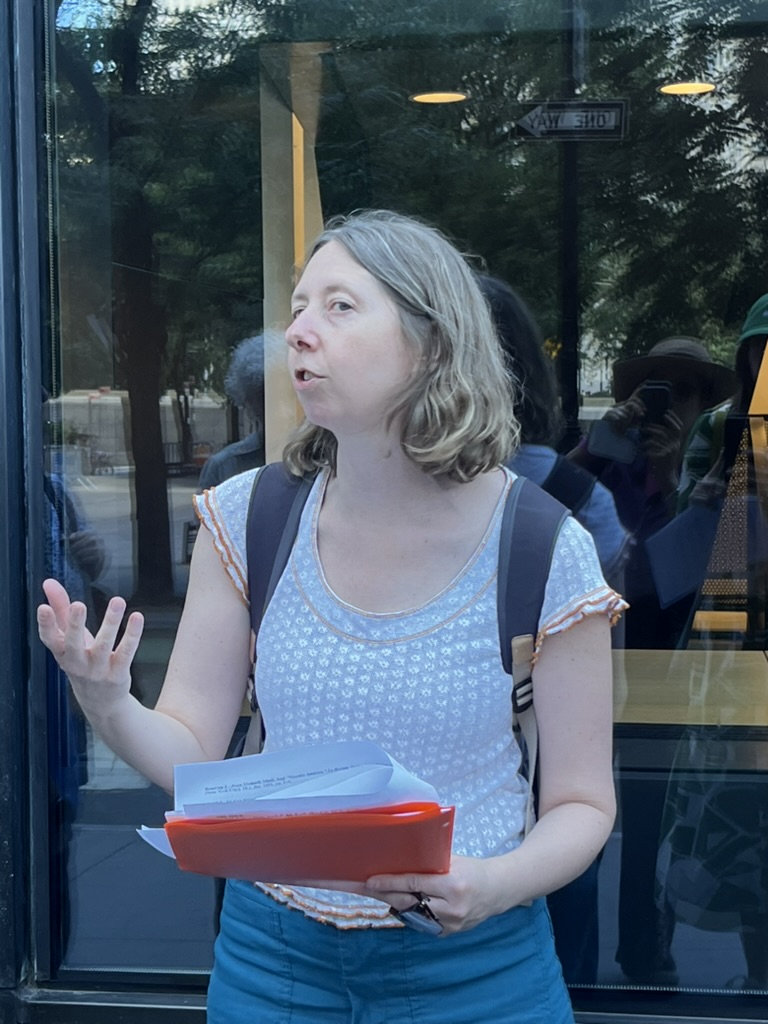
Prof. Kelley Kreitz opens the Deadline Club’s “¡EXTRA! ¡EXTRA!: THE SPANISH-LANGUAGE PRESS THAT MADE THE AMERICAS” inspired by her book, Printing Nueva York.
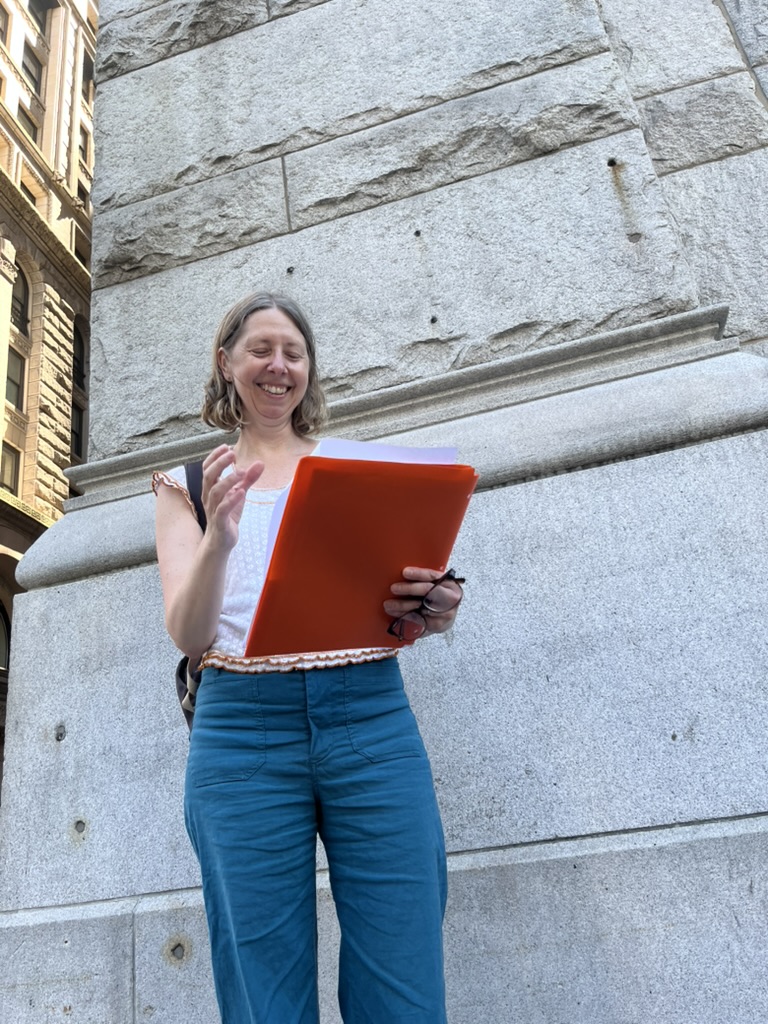
Prof. Kreitz in front of 41 Park Row, now Pace University, and the late 19th-century headquarters of the New York Times and La America Ilustrada, the illustrated Spanish-language publication that rented space in the Times building in the early 1870s.
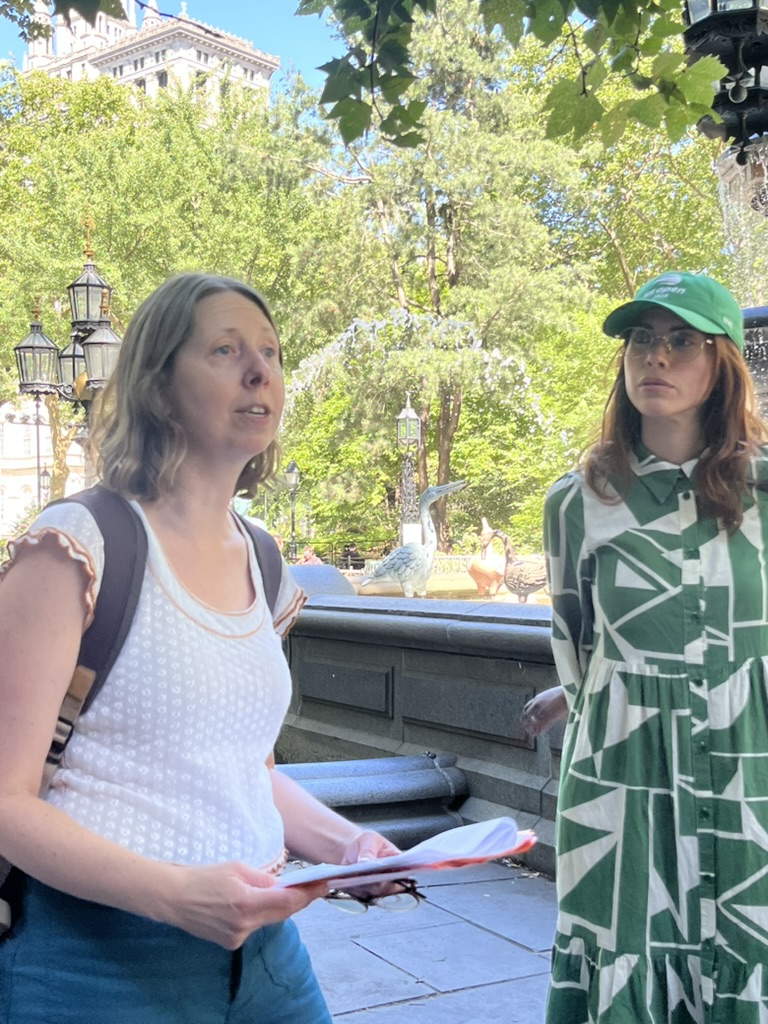
Prof. Kreitz and Ecuadorian journalist Gabriela Pinasco Najera, New York correspondent for Mexico-based Quadratín Hispano media.
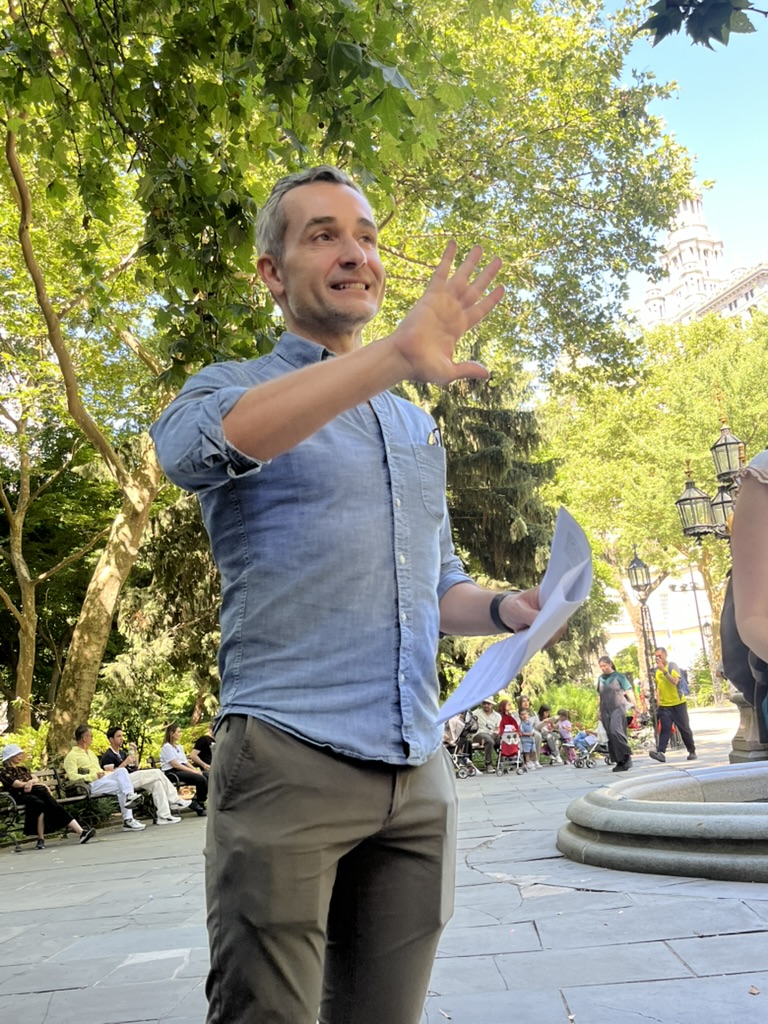
Columbia Journalism School Professor Juan Manuel Benítez reading from “Nuestra América” by José Martí, published in “La Revista Ilustrada de Nueva York” in 1891.
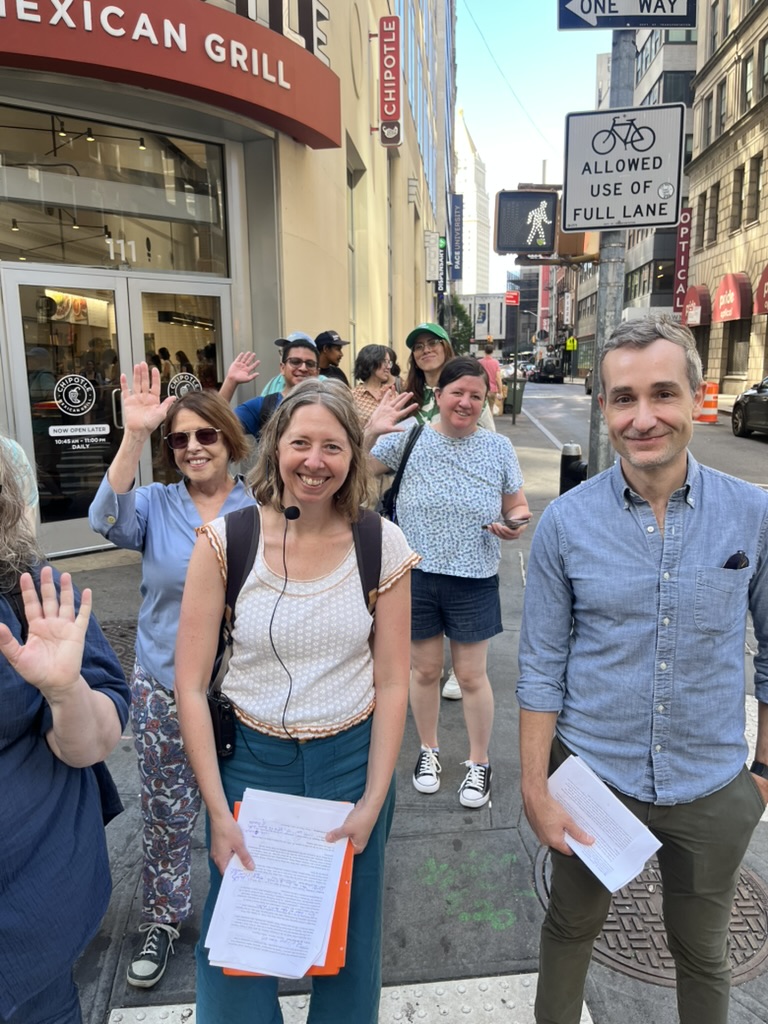
Vamonos!
We’re on the move — In front are tour leader author Kelley Kreitz, tour creator Tricia Couture and speaker Juan Benitez
Prof. Kreitz In front of 284–286 Pearl Street, once the site of Imprenta América, the print shop of Puerto Rican printer and writer Sotero Figueroa. In the background, you can see one of the few remaining original early 19th-century buildings (the parking garage).
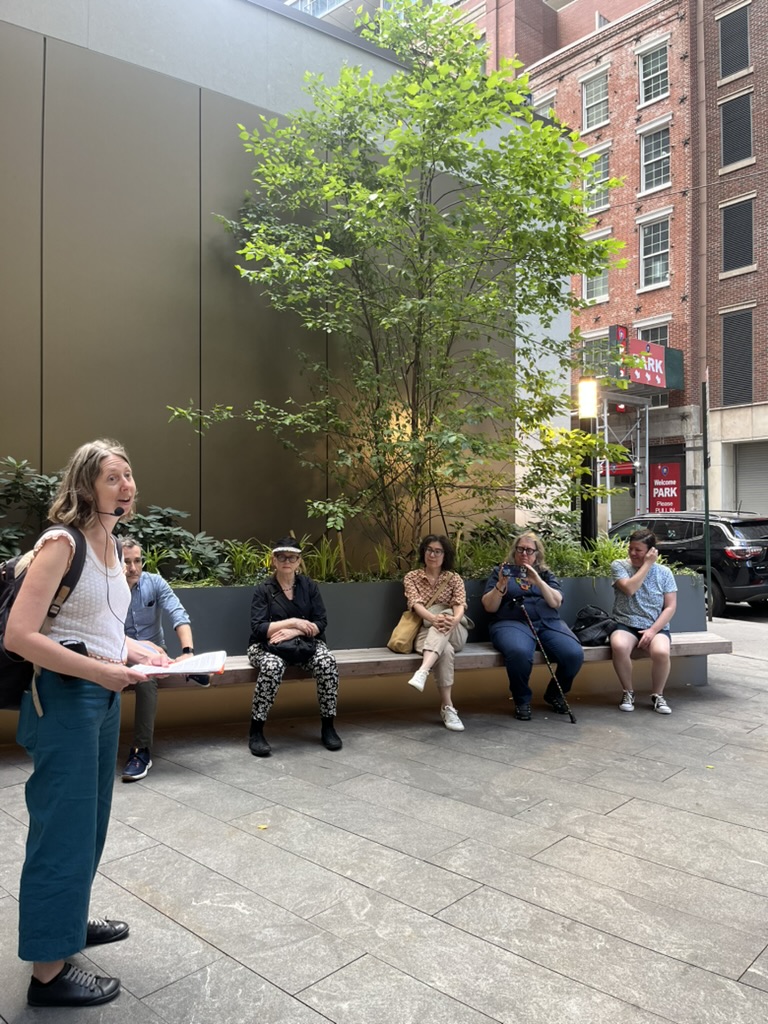
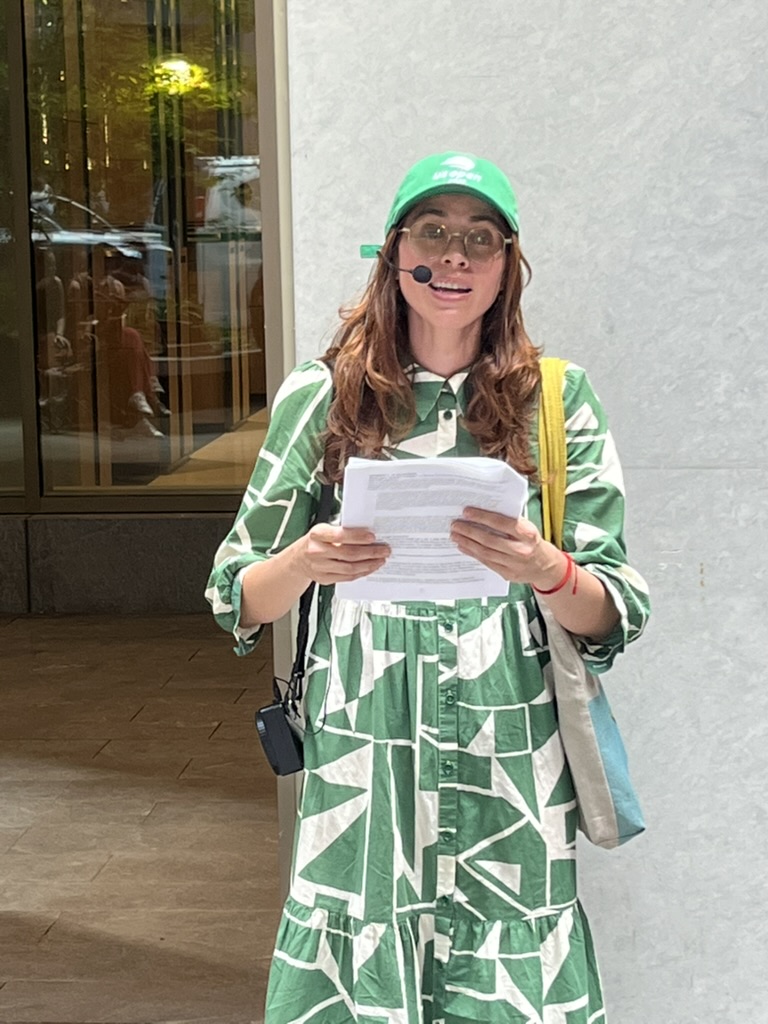
Pinasco Najera in front of 284–286 Pearl Street, once the site of Imprenta América, the print shop of Puerto Rican writer Sotero Figueroa. She reads from “Nuestra Labor” from Doctrina de Martí.
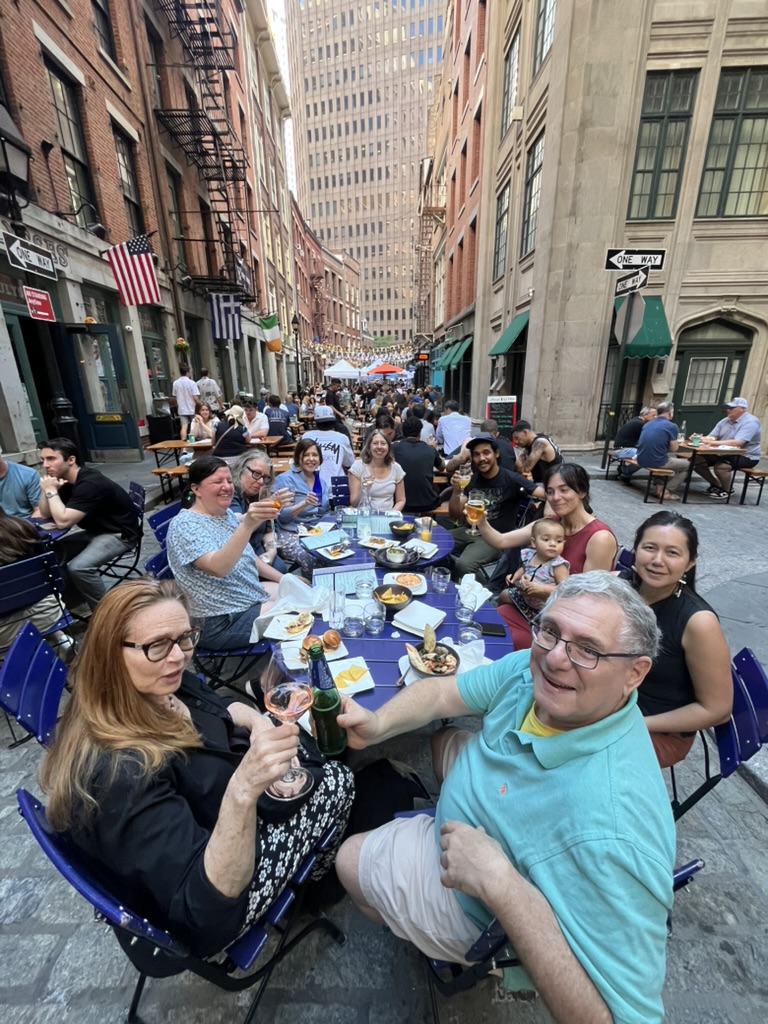
Salud!
Lifting a glass on Stone Street. Gran día, compañía maravillosa y aprendimos mucho. Gracias Tricia, Kelley, Juan y Gabriela.